
Why the World Became Fascinated with Biohacking, Anti-Aging, and Longevity
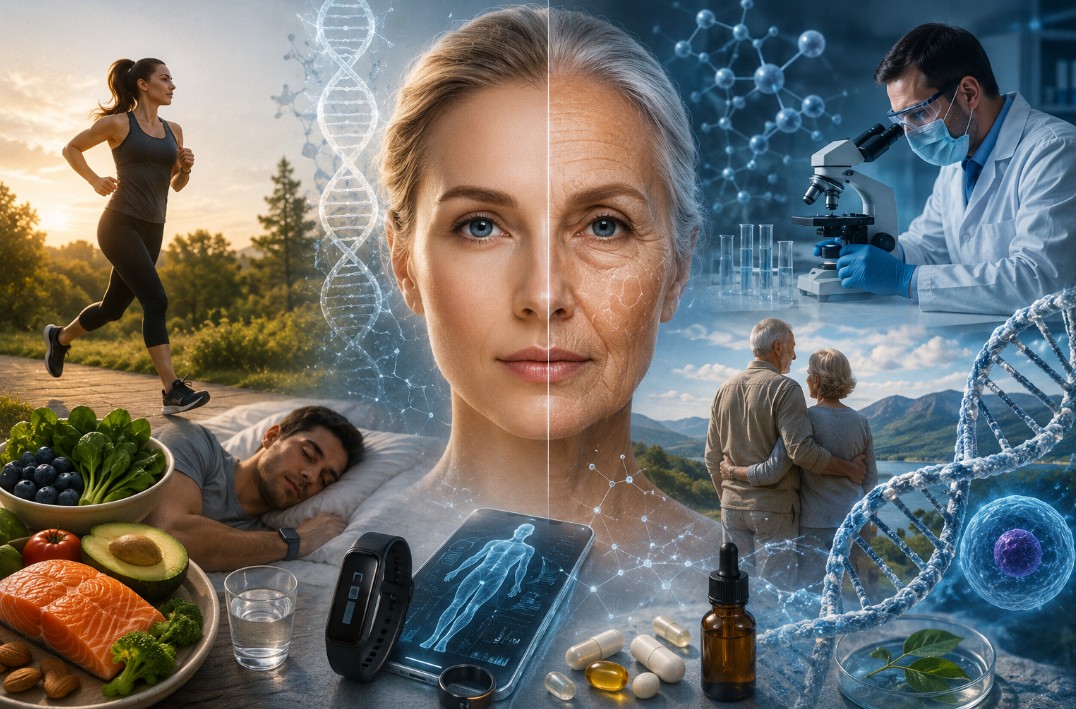
Interest in biohacking, anti-aging, and life-extension technologies has evolved over the past decade from a niche hobby into a multi-billion-dollar global industry. Several factors have fueled this trend simultaneously: population aging, rapid advances in biotechnology, a growing body of scientific research, increased public interest in healthy living, and the influence of Silicon Valley entrepreneurs. At the same time, many methods marketed as ways to slow aging still lack strong scientific evidence. Distinguishing evidence-based approaches from marketing claims has therefore become increasingly important.
Why Longevity Has Become Such a Popular Topic
According to the World Health Organization, by 2030 one in every six people worldwide will be over the age of 60. At the same time, the prevalence of age-related chronic diseases—including cardiovascular disease, diabetes, and neurodegenerative disorders—continues to increase.
As a result, researchers and healthcare professionals are focusing not only on extending lifespan but also on preserving health in later years. Scientific literature increasingly emphasizes the concept of healthspan—the number of years a person lives free from serious chronic disease. Today, many scientists consider improving healthspan a more meaningful goal than simply increasing life expectancy.
The COVID-19 pandemic further accelerated interest in preventive healthcare, while digital technologies have made it possible for individuals to monitor many aspects of their health in real time.
What Is Biohacking and How Does It Differ from Anti-Aging?
Although the two terms are often used interchangeably, they describe different approaches.
Biohacking refers to attempts to optimize the body’s performance through sleep management, nutrition, physical activity, biomarker tracking, genetic testing, wearable devices, and various medical technologies. Some advocates also experiment with emerging interventions whose effectiveness has not yet been fully established through scientific research.
Anti-aging is a broader field focused on preventing or slowing age-related decline. It combines knowledge from gerontology, endocrinology, cardiology, nutrition science, dermatology, and preventive medicine. Within the scientific community, the emphasis is placed less on «reversing aging» and more on reducing risk factors while maintaining healthy bodily functions over time.
Which Methods Are Supported by Scientific Evidence?
Modern gerontology has accumulated substantial evidence regarding lifestyle factors that influence the aging process.
The strongest scientific support exists for:
- regular physical activity;
- seven to nine hours of quality sleep per night;
- maintaining healthy blood pressure, blood glucose, and cholesterol levels;
- avoiding tobacco use;
- limiting or eliminating alcohol consumption;
- following a diet rich in vegetables, fruits, whole grains, fish, and healthy plant-based fats;
- maintaining a healthy body weight.
Researchers are also investigating calorie restriction, intermittent fasting, metformin, rapamycin, senolytics, and other compounds that may influence biological aging. However, current evidence remains insufficient to recommend most of these interventions for healthy individuals outside properly controlled clinical trials.
Why the Anti-Aging Market Is Growing Faster Than Science
According to international market analysts, the global longevity industry is already worth hundreds of billions of dollars and continues to expand rapidly. The sector includes healthcare services, laboratory diagnostics, genetic testing, nutraceuticals, cosmetic medicine, fitness, digital health platforms, and personalized medicine technologies.
Public interest has been further amplified by well-known entrepreneurs and investors, including Bryan Johnson, who openly documents his own longevity program, as well as biotechnology companies investing heavily in research on the biological mechanisms of aging.
However, experts caution that commercial innovation is progressing much faster than scientific validation. Many expensive supplements, treatments, and wellness programs still lack convincing clinical evidence demonstrating meaningful benefits.
How Medicine May Change in the Coming Decades
An increasing number of researchers now view aging as a collection of biological processes that may eventually become modifiable. Scientists are studying cellular senescence, chronic inflammation, DNA damage, mitochondrial dysfunction, epigenetic changes, and numerous other mechanisms associated with aging.
Advances in artificial intelligence, big data, genome sequencing, and personalized medicine are enabling earlier identification of disease risks and more individualized prevention strategies. Even so, most experts agree that no technological breakthrough is likely to replace the fundamental principles of a healthy lifestyle.
Frequently Asked Questions
Is it currently possible to significantly extend human lifespan?
Modern medicine has not yet developed methods capable of reliably increasing the maximum human lifespan. However, substantial scientific evidence shows that healthy lifestyle habits can reduce the risk of premature death and extend the years spent in good health.
Should people take anti-aging drugs on their own?
No. Many medications promoted within the biohacking community are still being studied in clinical trials or are approved only for specific medical conditions. Self-medication may expose individuals to serious side effects without proven benefits.
Can biohacking replace conventional medicine?
No. Most physicians consider evidence-based biohacking to be a complement to preventive healthcare rather than an alternative. Regular medical checkups, vaccinations, appropriate treatment of illnesses, and following professional medical advice remain the foundation of long-term health.
Conclusion
The growing popularity of biohacking and anti-aging reflects demographic changes, technological progress, and people’s desire to maintain a high quality of life for as long as possible. Current scientific evidence supports only some of the available approaches. For now, the most reliable strategy for healthy longevity remains disease prevention, regular physical activity, balanced nutrition, sufficient sleep, and ongoing medical care, while many commercial anti-aging interventions still await robust scientific validation.