
Why More People Are Admitting They Have No Close Friends
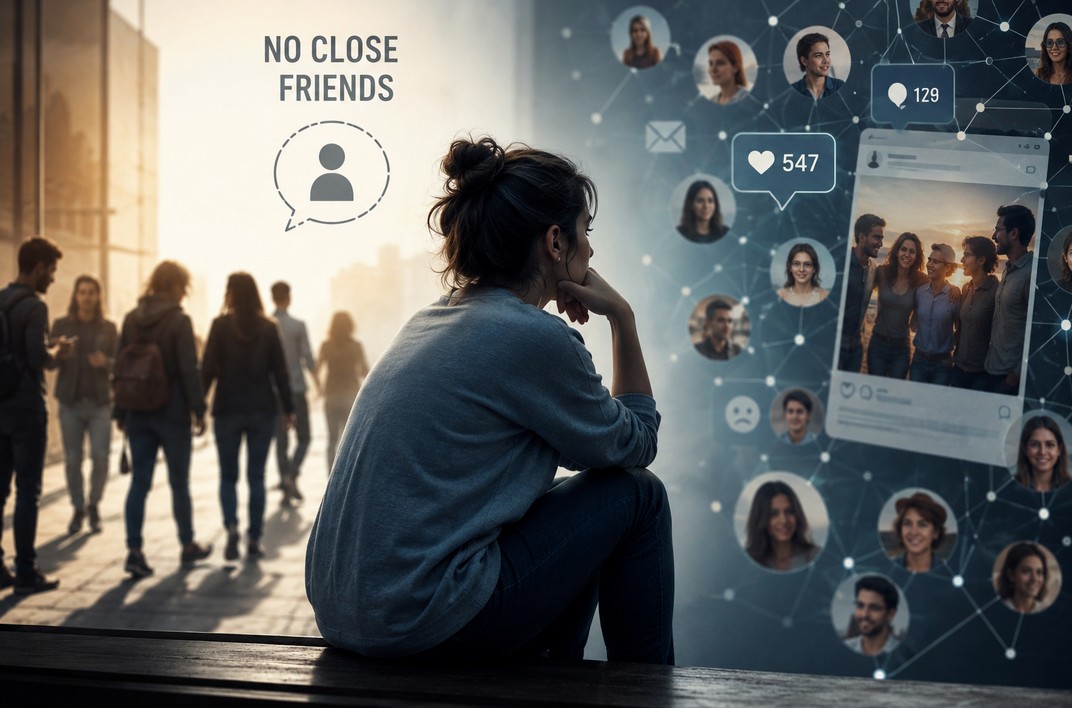
Loneliness is increasingly becoming not an exception but a new social norm. In recent years, studies conducted in the United States, the United Kingdom, and other developed countries have shown a steady rise in the number of people who say they do not have a single close friend. The issue affects not only older adults but also younger generations, often considered the most socially connected in history. Experts link this trend to changes in lifestyle, the digitization of communication, and evolving ideas about friendship. Against a backdrop of rising anxiety and depression rates, social connection is becoming not just a personal concern but a broader societal challenge.
What the Research Shows
Over the past few decades, the number of people reporting that they have no close friends has increased significantly. According to data from the Survey Center on American Life, the share of men who say they have no close friendships has risen dramatically compared to the late twentieth century. Similar patterns have also been observed among women.
Researchers note that this is not merely a matter of perception. People genuinely spend less time socializing, participate less frequently in community life, and maintain fewer long-term relationships outside their immediate families. Many admit that while they have dozens or even hundreds of contacts on social media, they cannot identify a single person they would trust with a serious personal problem.
Psychologists emphasize that having at least one close friend is directly associated with higher levels of happiness, life satisfaction, and even physical health. The absence of such relationships has been linked to increased risks of depression, anxiety disorders, and chronic stress.
The Role of Modern Lifestyles
One of the primary explanations cited by experts is the transformation of everyday life. Modern individuals are far more likely to relocate for education or career opportunities, change social circles, and experience unstable personal networks.
In previous generations, people often lived in the same communities for years, worked in the same organizations, and maintained regular contact with neighbors. Today, many spend most of their time moving between work, home, and digital screens. Even in densely populated cities, individuals frequently report feeling isolated despite being surrounded by millions of others.
Remote work has also altered the nature of social interaction. Many employees no longer engage with colleagues face-to-face on a daily basis. While video calls support professional collaboration, they rarely create the informal bonds that once developed in offices, cafes, or shared social activities.
The culture of constant busyness plays an additional role. Many adults acknowledge that they simply do not have enough time to maintain friendships. As a result, relationships gradually weaken and eventually disappear.
How Social Media Changed Friendship
At first glance, digital technology should have made it easier to stay connected. However, research suggests that online communication often fails to compensate for the decline of real-world social relationships.
Social media platforms allow users to remain connected with hundreds of people simultaneously, yet the quality of these interactions is frequently superficial. People gain a sense of participation in others’ lives without necessarily building deep emotional connections.
Psychologists point to an interesting paradox: a person may communicate daily through messaging apps, actively maintain social media profiles, and still experience profound loneliness. The reason is that close friendships require trust, shared experiences, and meaningful face-to-face interaction—elements that technology cannot fully replace.
Social media can also create the impression that everyone else enjoys a rich and active social life. For individuals struggling with isolation, this perception may intensify feelings of loneliness.
What Is Happening to Human Psychology
Friendship requires time, emotional investment, and a willingness to be vulnerable. Yet modern individuals increasingly avoid situations that involve the risk of rejection or disappointment.
Experts report growing levels of social anxiety, particularly among younger generations. Many people feel uncomfortable meeting new individuals or fear being misunderstood. As a result, some choose solitude over potentially challenging social experiences.
Rising individualism has also influenced the way people approach relationships. Contemporary culture often celebrates independence, self-sufficiency, and personal achievement. While these values offer certain benefits, they may reduce motivation to cultivate deep social bonds.
Psychologists stress that the need for friendship remains a fundamental aspect of human nature. Even highly independent individuals benefit from support, trust, and a sense of belonging.
What the Future May Hold
Researchers believe loneliness could become one of the most significant social challenges of the coming decades. Governments in several countries have already introduced initiatives aimed at reducing social isolation and strengthening local communities.
At the same time, new forms of social engagement are emerging, including hobby clubs, community events, sports groups, and neighborhood-based organizations. Experts suggest that these activities may help offset some of the social consequences of increasingly digital lifestyles.
Most specialists agree that technology itself is not the root cause of the friendship crisis. The more important question is how people use these tools and whether they remain willing to invest time and effort into real-world relationships.
Conclusion
The growing number of people without close friends is driven by a combination of social, technological, and psychological factors. Modern lifestyles make it more difficult to maintain meaningful friendships, while digital communication cannot always replace genuine human connection. Research suggests that the issue affects millions of people worldwide and is becoming a defining feature of contemporary society.
Frequently Asked Questions
Why do people lose friends as they get older?
As people age, responsibilities related to careers, families, and daily life tend to increase. As a result, less time and energy are available for maintaining friendships.
Can social media replace real friendships?
Online platforms can help people stay connected, but they rarely provide the depth of interaction found in close personal relationships. Most studies indicate that face-to-face communication remains an essential component of friendship.
Who is most likely to experience a lack of close friends?
The issue affects people across all age groups, but it is particularly noticeable among young adults and middle-aged men. Factors such as lifestyle, work patterns, family status, and personality traits can influence the risk of social isolation.